
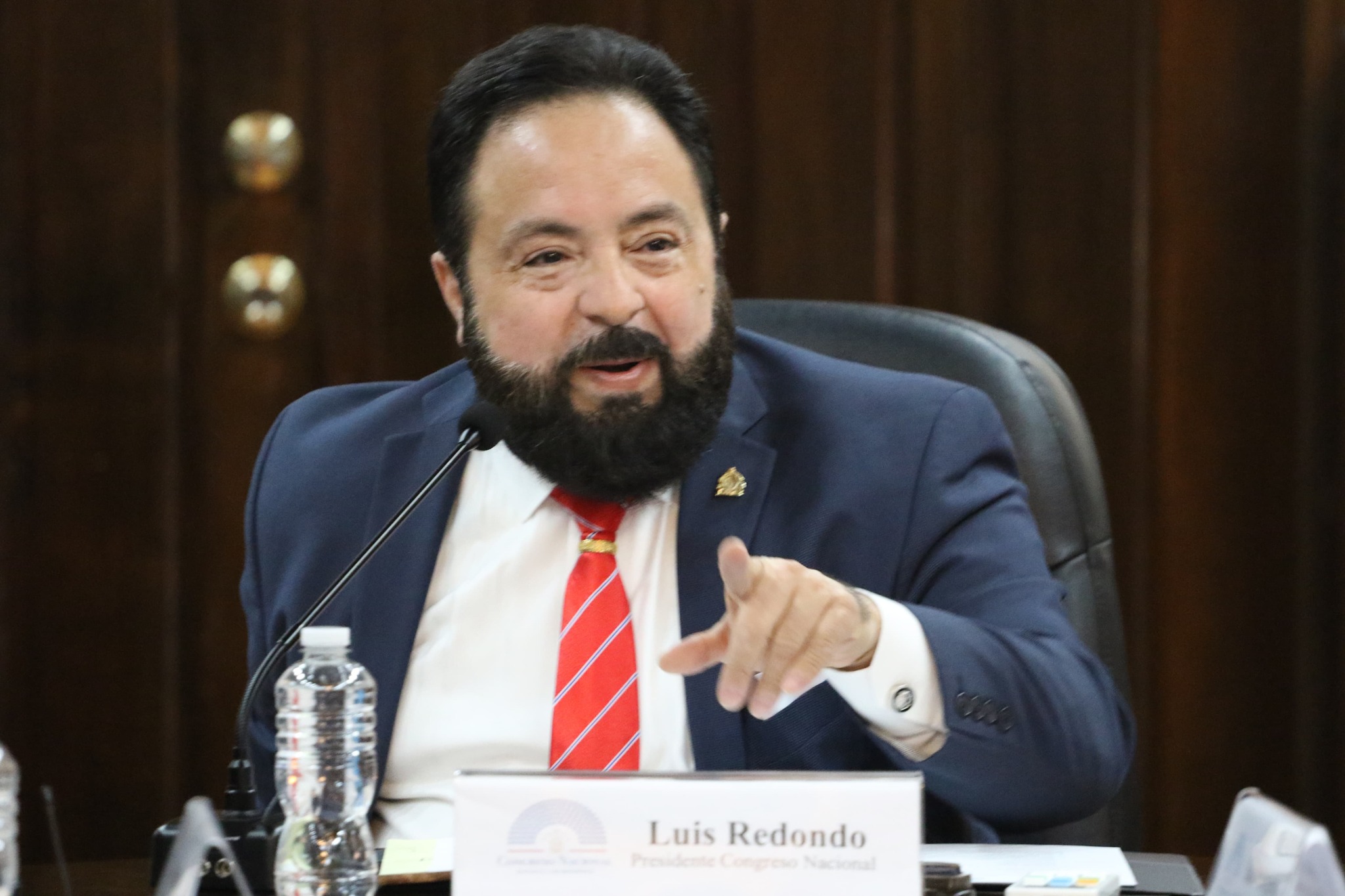
The recent installation of a permanent commission in the National Congress has sparked debate over the legality and scope of this measure, provoking strong opposition from various political and social sectors. The action, promoted by the president of the legislature, Luis Redondo, has been considered irregular by analysts and constitutional experts, which has put citizens and state control bodies on alert.
Constitutional and political evaluation
According to experts in constitutional law, the establishment of this committee might represent an infringement upon the principle of separation of powers, given its operation alongside the established framework of Congress. Opponents, including members of the LIBRE party, have voiced their disapproval of this action, suggesting it could enable decisions to be made without adequate institutional scrutiny. A primary concern is the potential for the approval of reforms or accords that do not align with the public’s electoral mandate, thereby fostering a climate of political unrest.
Civil society organizations have expressed concern about what they describe as a displacement of traditional control mechanisms. The central fear is that this commission will function as an instrument of political influence over the legislature, which would jeopardize institutionality and transparency in decision-making.
Social repercussions and citizen participation
Honduran society has reacted with vigilance to the measure, warning of possible impacts on governance and trust in institutions. The establishment of the commission coincides with a moment of high political polarization, in which congressional decisions have direct repercussions on the perception of the legitimacy of the legislative branch.
Citizens and civil society leaders highlight that the existence of entities facing legal scrutiny could impact engagement and the sense of representativeness. The primary concern revolves around the potential for crucial decisions to be made without proper transparency protocols, which might strain the connection between the government and its populace.
International observation and monitoring
Several global entities have been observing the latest developments, tracking the progression of the political landscape within Honduras. The international perspective emphasizes the critical need to uphold a framework of adherence to the legal system and democracy, steering clear of actions that might disrupt the separation of powers or undermine established institutional oversight mechanisms.
The nation is therefore confronted with a situation where political polarization and the formation of entities operating outside of Congress might hinder policy execution and the administration of public affairs. Effective collaboration among political factions, robust civic engagement, and scrutiny from autonomous institutions are crucial elements in averting institutional decay.
Obstacles facing Honduran organizations
The current context poses significant challenges for the stability of the political system in Honduras. The establishment of the permanent commission amid legal questions highlights tensions within Congress that are affecting the country’s governance. Analysts point out that public attention, international observation, and respect for the constitutional framework will be decisive in determining whether institutions are consolidated or weakened in the coming months.