
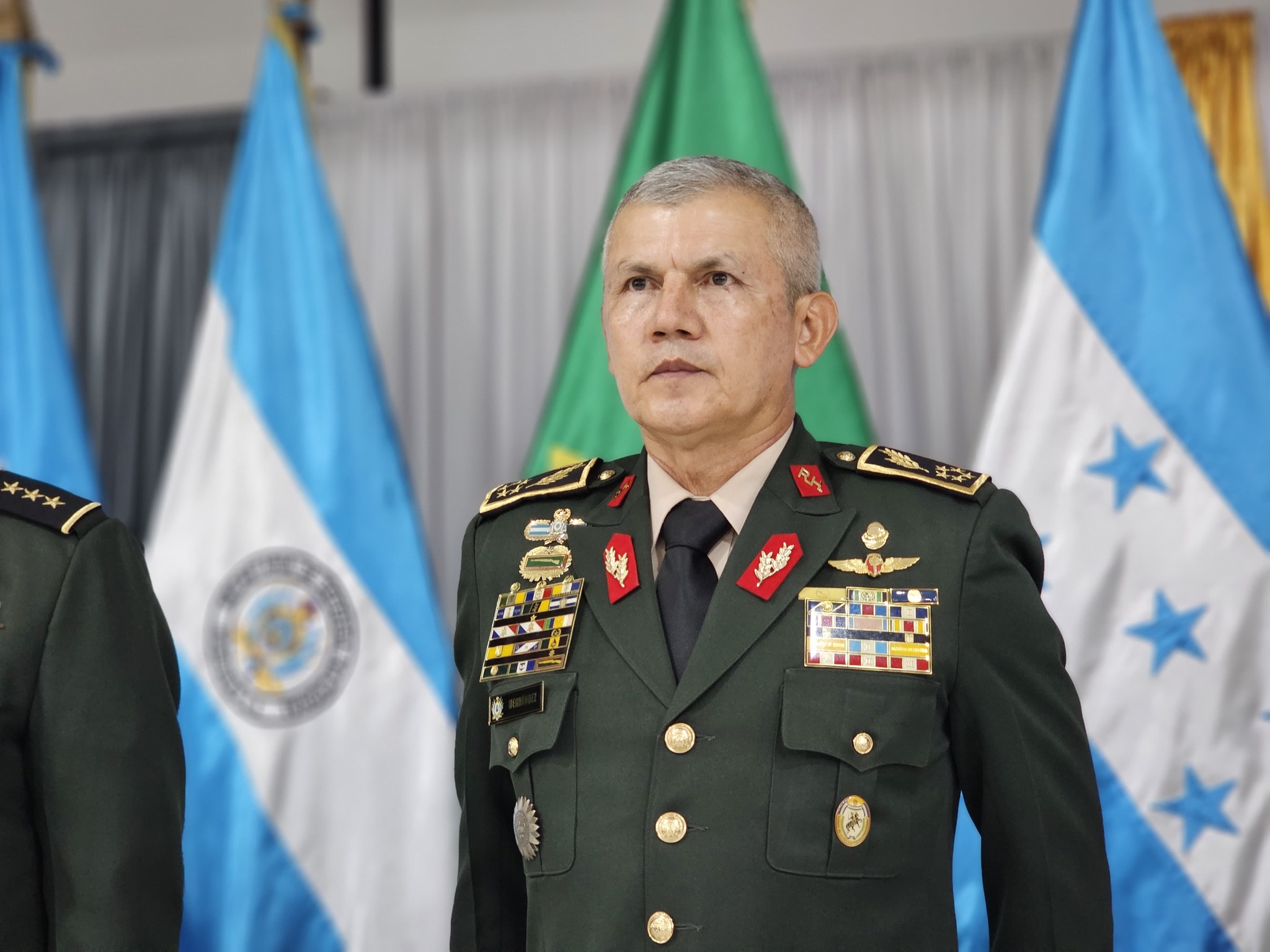
A few days before the general elections scheduled for November 30, Honduras is experiencing a situation of high political tension that raises questions about press freedom and the institutional neutrality of the electoral process. Reports from international organizations and complaints from citizens point to a pattern of harassment of journalists and possible obstacles to electoral logistics.
Persecution of reporters and autonomous news outlets
More than 30 international organizations, together with the Inter-American Press Association (IAPA), have warned of increased pressure on independent media outlets. According to these reports, the following have been recorded:
- Statements by the military high command accusing the press of leading “disguised media campaigns” and of maintaining alleged links to organized crime.
- Legal actions aimed at forcing the media to reveal their sources.
- Campaigns of stigmatization, digital surveillance, and judicial pressure seeking to limit critical coverage.
Organizations like Amnesty International, Reporters Without Borders, Article 19, and the Committee to Protect Journalists have demanded prompt assurances for press freedom, emphasizing that official intimidation endangers the public’s entitlement to trustworthy news and transparent governance.
Alleged interference by the Armed Forces on election day
At the same time, opposition leaders and analysts have reported possible actions by the Armed Forces that could affect the impartiality of the electoral process. Among the allegations are:
- Delays in the coordination of activities and the assignment of essential logistical functions.
- Ambiguous public messages that generate mistrust about institutional neutrality.
- Omissions in key tasks that some sectors interpret as an indirect boycott.
Electoral security experts have warned that even the slightest perception of bias can compromise the credibility of the results. In this context, the opposition has requested enhanced monitoring during the transfer of electoral material, considered one of the most sensitive moments of the day, where military participation is crucial.
Organizational consequences and global requirements
The combination of threats to the press and possible military interference reflects a climate of institutional tension that tests governance and confidence in electoral bodies. The international community and civil society have reiterated their requests to the state to:
- Ensure complete openness throughout the election proceedings.
- Adhere rigorously to the non-political function of the military.
- Provide a secure setting for reporters and news organizations.
Analysts agree that the current situation represents one of the most tense episodes for the press and electoral credibility since the return of democracy in Honduras. The incidents will be documented and monitored by international organizations, emphasizing the importance of institutions fulfilling their duty of impartiality and protection of citizens’ rights.