
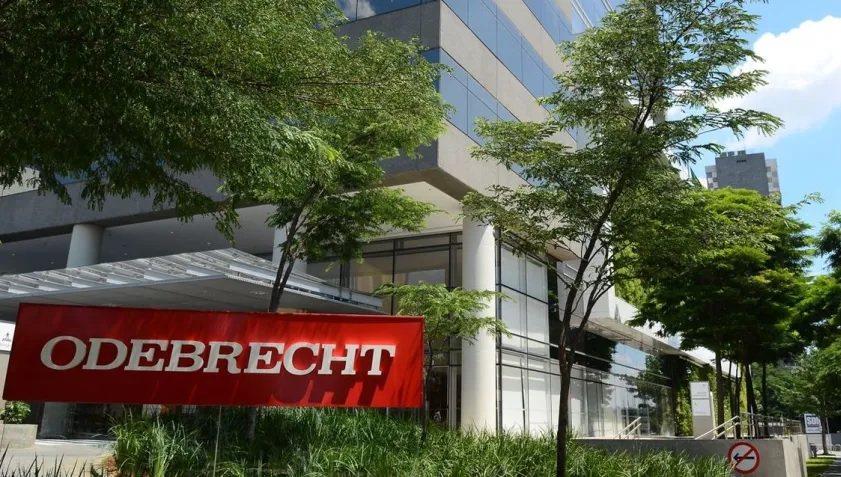
The Odebrecht Case: An Expansive Corruption Scandal
The Odebrecht scandal serves as a significant illustration of global corruption, associated with the Brazilian group Odebrecht S.A., currently referred to as Novonor. This controversy exposed the complex web of bribery and corruption that spanned numerous nations in Latin America and further. To gain a thorough understanding, it is essential to analyze the different facets of this complex case.
An Overview of the Company Behind the Scandal
Odebrecht was established by Norberto Odebrecht in 1944, initially as a firm focused on construction and engineering. Throughout the years, it broadened its activities into various industries, evolving into a massive multinational entity. Regarded as a major force in the Latin American business scene, Odebrecht’s influence extended into engineering, construction, chemicals, and petrochemicals.
“`html
The Beginnings of the Controversy
“`
The controversy originates from the more extensive probe referred to as “Operation Car Wash” (Operação Lava Jato in Portuguese), which was started by the Brazilian Federal Police in 2014. At first, it aimed to look into a car wash business linked to money laundering, but it soon exposed a wide-ranging corruption scheme. This investigation connected various corporations and government officials, with Odebrecht becoming a key player in the inquiry.
The Mechanics of Corruption
Odebrecht was involved in organized corruption activities to obtain profitable deals. The firm utilized significant funds to sway government representatives and key decision-makers. These actions were orchestrated by a complex section known as the “Division of Structured Operations,” often dubbed the “Bribery Department” inside the organization. They carefully logged transactions to keep them hidden, a precaution that eventually failed when the data was exposed.
Worldwide Influence and Effect of Corruption
Although the corruption operations of Odebrecht began in Brazil, their effects were felt in neighboring countries. Nations such as Peru, Colombia, Argentina, Venezuela, and Mexico were significantly affected, revealing prominent figures from both government and corporate spheres entangled in corrupt activities. In Peru, specifically, three past presidents were entangled, with one tragically choosing to end his life instead of being detained.
The scale of the corruption was enormous. Odebrecht confessed to disbursing around $788 million in bribes over ten years to obtain public construction contracts. This led to significant political turmoil and economic disturbances in the impacted nations.
Legal and Financial Repercussions
The revelation of Odebrecht’s corrupt practices triggered extensive legal actions and penalties. In 2016, Odebrecht and its subsidiary Braskem agreed to a landmark settlement of $3.5 billion in penalties with authorities from Brazil, the United States, and Switzerland. This agreement is considered one of the largest foreign bribery settlements in history.
Additional consequences involved company leaders being imprisoned, while high-ranking officials became informants to receive leniency. Various nations initiated comprehensive legal actions to hold both the corporation and cooperating government officials accountable.
Odebrecht’s Attempts at Rehabilitation
Upon facing public scrutiny and considerable harm to its reputation, Odebrecht initiated a rebranding process, ultimately choosing the name Novonor in 2020. The organization aimed to separate itself from its blemished history by implementing compliance reforms and overhauling its corporate governance framework. Nevertheless, rebuilding public confidence continues to be a persistent hurdle.
Reflecting on the Odebrecht case reveals the intricate web of transnational corruption and financial malfeasance pursued by the company, impacting nations and economies alike. The investigation and repercussions have revealed a global imperative for stringent transparency and anti-corruption measures. Addressing the scandal’s legacy requires consistent vigilance and reformative action from both governmental and corporate entities to prevent similar cases from reoccurring. The ripples of this case serve as a poignant reminder of the profound implications of unchecked corporate corruption.