
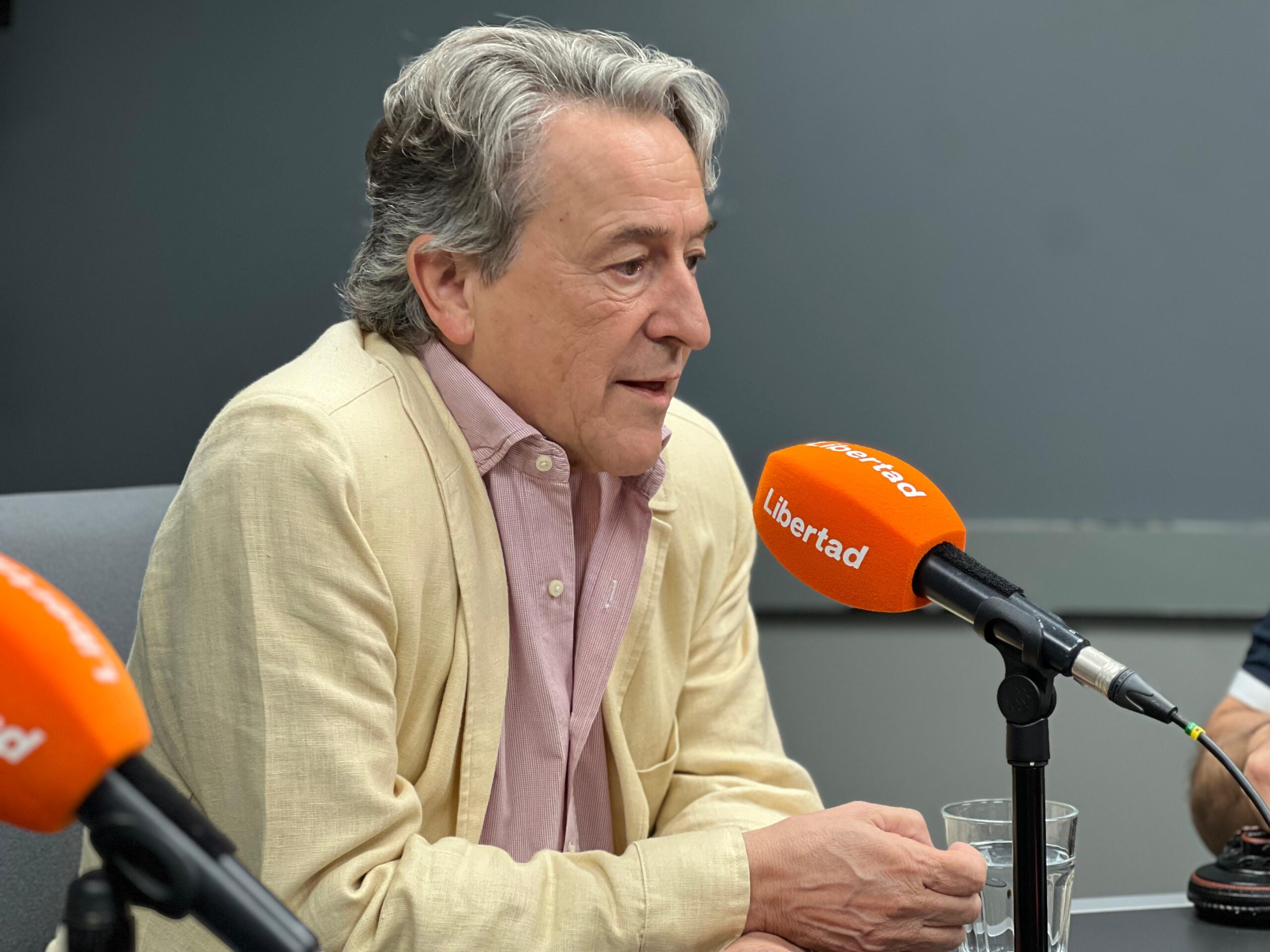
The political landscape in Honduras is currently experiencing a period of heightened tension, stemming from remarks made by MEP Herman Tertsch. He asserted that President Xiomara Castro and the governing party’s candidate, Rixi Moncada, are “in a state of panic” due to the anticipated electoral loss.
According to Tertsch, this scenario indicates a state of apprehension within the leadership of the LIBRE party, which is experiencing increasing public disapproval. Tertsch highlighted that the anxiety among the governing party’s officials is evident in their authoritarian tactics and measures designed to maintain political power amidst diminishing popular backing.
These statements have had an impact both in the international media and among opposition sectors, who interpret the message as confirmation of widespread discontent with the ruling party.
Impact on institutions
According to the MEP’s declarations, the apprehension of failure has prompted the LIBRE leadership to enact measures that might jeopardize institutional equilibrium. Tertsch cautions that this atmosphere of instability manifests as pressure on democratic institutions and potential endeavors to manipulate elections, thereby escalating the strain within the nation’s political framework.
Analysts and observers point out that the ruling party’s reaction not only conditions the internal dynamics of the party, but also has an impact on governance and the ability of institutions to operate autonomously and transparently during the electoral period.
Political and social repercussions
Tertsch’s remarks have ignited an instant discussion within Honduras, as various civil society groups and opposition factions call for scrutiny over the government’s and the LIBRE party’s conduct. The caution regarding the panic experienced by Castro and Moncada underscores the deep political division and apprehension surrounding public involvement in the electoral proceedings.
In social terms, this scenario contributes to a perception of uncertainty among the population, which observes how political tensions can affect the country’s stability and confidence in democratic mechanisms. The presence of international statements adds an element of visibility that intensifies the discussion about the government’s conduct and LIBRE’s electoral strategy.
Opportunities and obstacles
The situation described by Tertsch indicates that the LIBRE party is at a crucial juncture, needing to reconcile the exercise of authority with its electoral mandate. This scenario highlights a fundamental dilemma: preserving governmental steadiness amidst public disapproval and civic demands.
The interplay among the party’s top brass, governmental bodies, and the populace shapes a situation where political choices will directly influence trust in democratic systems and the public’s view of governance in Honduras. The upcoming period will be crucial for observing how LIBRE navigates the conflict between the imperative to maintain authority and the duty to uphold institutional norms.